
Choosing the Right Protective Gloves: A Practical Guide for Safety and Performance


4
Protective gloves are one of the most essential pieces of personal protective equipment (PPE) used across industries. From construction sites and manufacturing plants to laboratories and healthcare facilities, the right gloves play a critical role in protecting workers from injuries, chemical exposure, and environmental hazards.
However, selecting the correct glove is not always straightforward. Different industries require different materials, protection levels, and comfort features. Choosing the wrong glove can reduce productivity, compromise safety, and even increase risk.
This guide explains the importance of protective gloves, the major types available, and how businesses can choose the right solution for their workforce.
Why Protective Gloves Matter in the Workplace
Hand injuries are among the most common workplace incidents worldwide. Workers regularly handle tools, machinery, chemicals, and sharp materials that can cause cuts, burns, abrasions, and chemical exposure.
Quality protective gloves help to:
- Prevent cuts, punctures, and abrasions
- Protect against chemicals and hazardous substances
- Improve grip and handling of tools or materials
- Reduce hand fatigue during repetitive tasks
- Maintain hygiene in sensitive environments
For businesses, providing appropriate gloves is not only about safety but also about compliance with workplace safety standards and regulations.
When employees feel protected and comfortable, productivity improves and workplace accidents decrease.
Understanding the Different Types of Safety Gloves
Not all gloves are designed for the same job. Each type offers specific protection based on materials, coatings, and construction.
1. Cut-Resistant Gloves
4
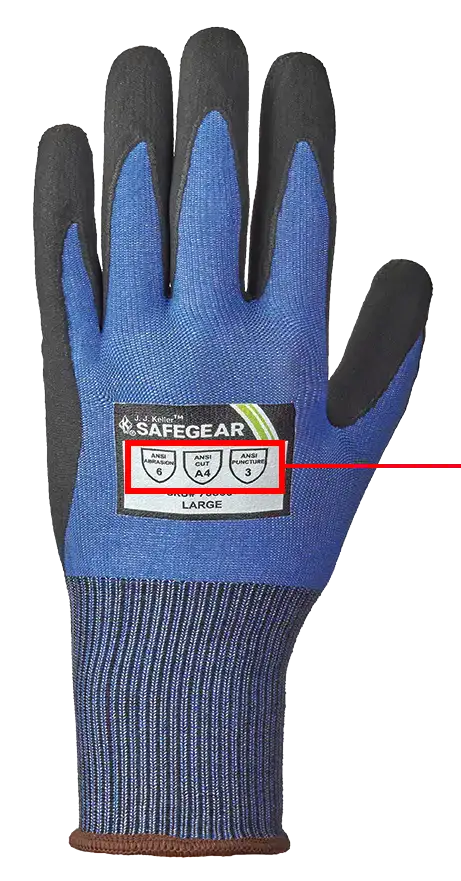
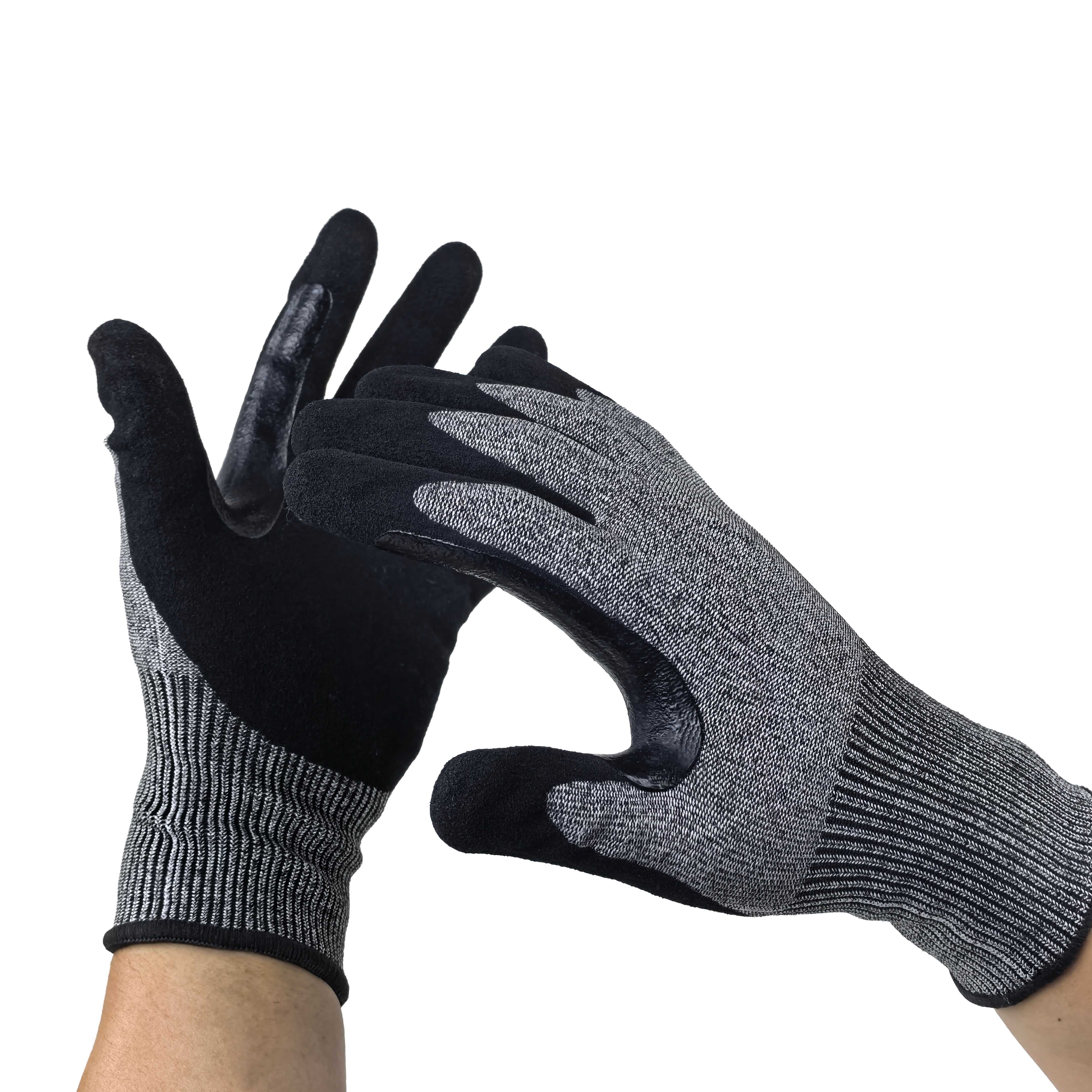
Cut-resistant gloves are designed to protect workers from sharp objects such as metal edges, glass, and blades.
These gloves are commonly used in industries such as:
- Metal fabrication
- Automotive manufacturing
- Construction
- Glass handling
- Warehousing and logistics
They are typically made with high-performance fibers such as HPPE, Kevlar, or steel fiber blends that resist cuts while maintaining flexibility.
2. Chemical-Resistant Gloves


4
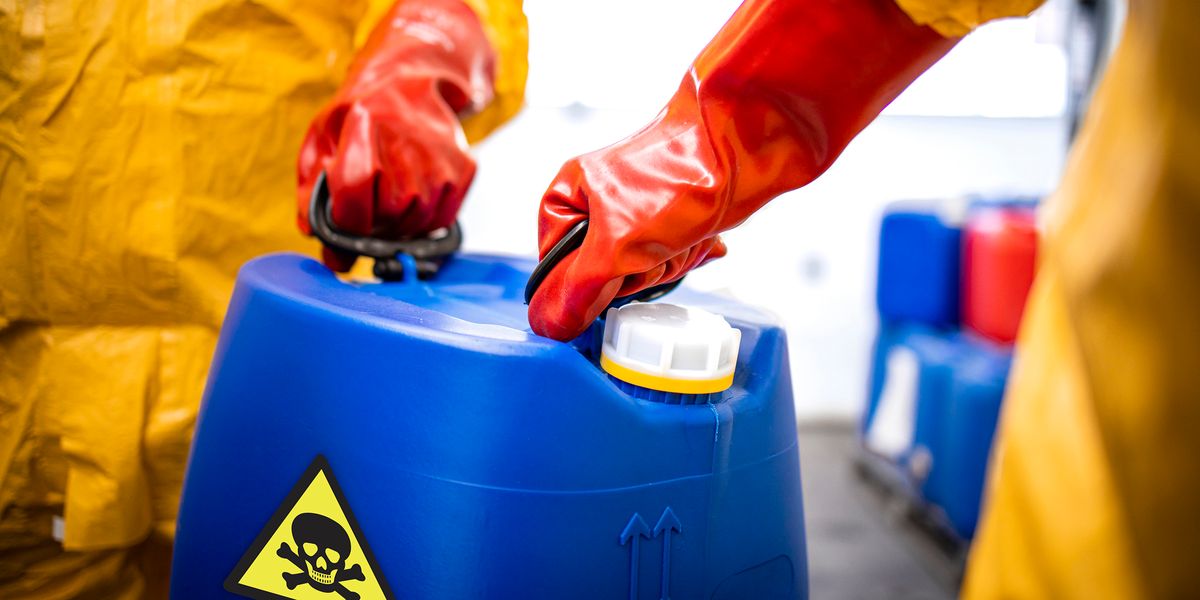
Workers who handle chemicals require gloves that provide a strong barrier against liquids, solvents, and hazardous substances.
Common materials include:
- Nitrile
- Latex
- Neoprene
- PVC
Chemical-resistant gloves are widely used in:
- Laboratories
- Pharmaceutical manufacturing
- Cleaning services
- Food processing
- Chemical plants
Selecting the correct glove depends on the specific chemical exposure and duration of contact.
3. General Purpose Work Gloves


4
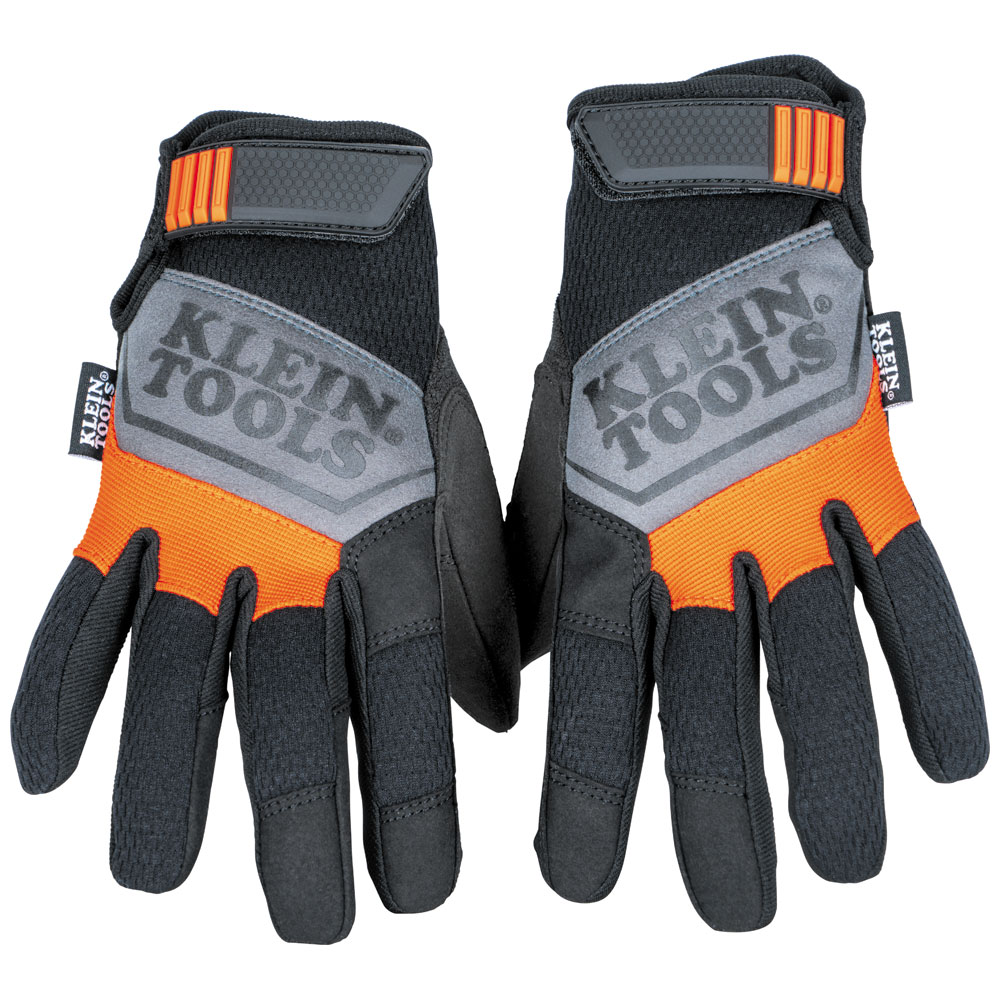
General-purpose gloves are versatile solutions designed for everyday industrial tasks.
They are typically used for:
- Material handling
- Construction work
- Warehouse operations
- Maintenance tasks
These gloves often feature rubber or nitrile coatings that improve grip, durability, and resistance to wear and tear.
They provide an ideal balance between protection, dexterity, and comfort.
Key Factors When Choosing Protective Gloves
Selecting the right gloves requires evaluating several important factors.
1. Level of Protection
The first consideration should always be the hazard present in the work environment.
Examples include:
- Sharp edges → Cut-resistant gloves
- Chemicals → Chemical-resistant gloves
- Heavy materials → Impact or reinforced gloves
Understanding workplace risks helps determine the required glove performance level.
2. Comfort and Dexterity
Workers are more likely to consistently wear gloves when they are comfortable.
Important comfort factors include:
- Breathability
- Flexibility
- Proper sizing
- Lightweight materials
Gloves that restrict movement or cause discomfort can reduce efficiency and may lead workers to remove them during critical tasks.
3. Grip and Control
In many industrial environments, workers handle tools, machinery, or slippery materials.
Coated gloves with textured surfaces improve grip and reduce the likelihood of accidents caused by dropped tools or materials.
Nitrile, latex, and polyurethane coatings are commonly used to enhance grip performance.
4. Durability and Cost Efficiency
High-quality gloves may initially cost more, but they often last longer and perform better under demanding conditions.
Durable gloves help companies:
- Reduce replacement frequency
- Maintain consistent protection
- Lower long-term PPE costs
Choosing reliable suppliers and quality products ensures better return on investment.
The Role of Quality in Industrial Safety Gloves
Not all gloves on the market offer the same level of protection and durability. High-quality manufacturing standards ensure that gloves meet industry safety requirements while providing comfort and reliability.
Professional safety glove suppliers focus on:
- Strict quality control processes
- Advanced material technology
- Ergonomic designs for long-term wear
- Compliance with international safety standards
Businesses that prioritize quality protective equipment demonstrate a strong commitment to workplace safety and employee well-being.
Why Businesses Trust Reliable Safety Glove Suppliers
Companies across industries rely on trusted glove manufacturers and distributors to provide consistent, high-performance products.
Reliable suppliers help businesses by offering:
- A wide range of glove solutions for different industries
- Technical knowledge about materials and safety requirements
- Consistent product quality
- Scalable supply for growing operations
Partnering with an experienced glove supplier ensures that organizations receive the right products for their safety needs.
Conclusion
Protective gloves are a fundamental component of workplace safety. They protect workers from injuries, enhance productivity, and support compliance with safety standards across multiple industries.
However, selecting the right glove requires understanding the hazards involved, the type of protection needed, and the comfort requirements of workers.
By choosing high-quality gloves and partnering with reliable suppliers, businesses can create safer environments and improve operational efficiency.
At Natalie Group Gloves, we are committed to providing dependable protective glove solutions designed for durability, safety, and performance across a wide range of industries.
Investing in the right protective gloves today helps protect your workforce and your business tomorrow.