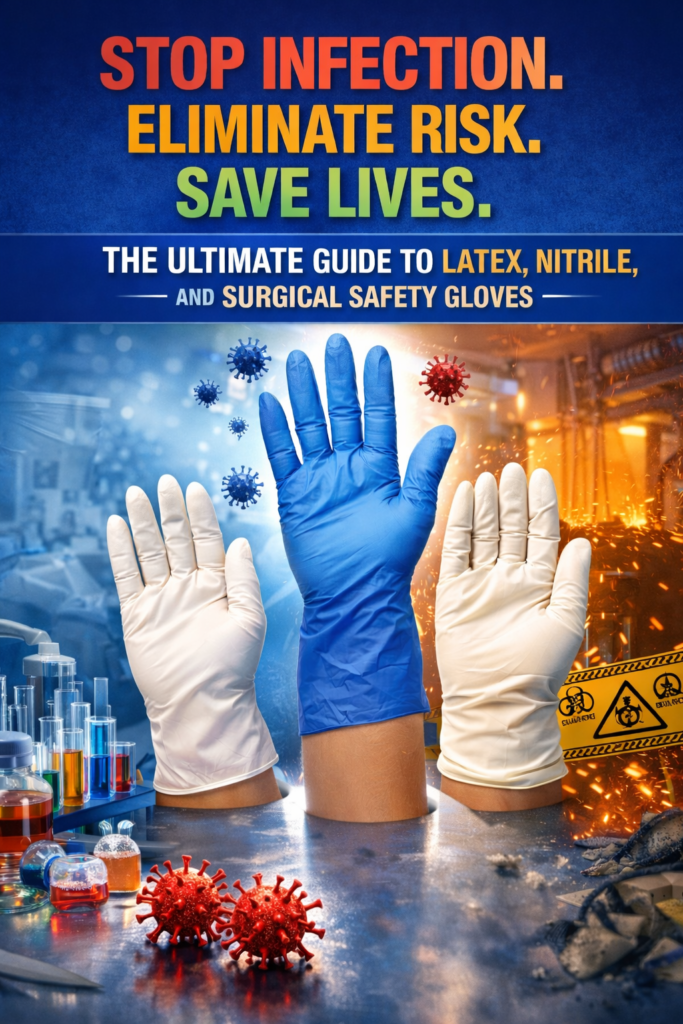
By NATALIE GROUP GLOVES
In today’s fast-paced and increasingly safety-conscious world, protective equipment is no longer optional—it is essential. Among all forms of personal protective equipment (PPE), gloves stand as one of the most widely used and crucial tools for safeguarding human health. Whether in healthcare settings, industrial environments, laboratories, or even everyday tasks, gloves play a fundamental role in preventing contamination, reducing risk, and ensuring safety.
At NATALIE GROUP GLOVES, we specialize in manufacturing high-quality latex, nitrile, and surgical gloves designed to meet the highest safety standards. This article explores why gloves matter, how they contribute to safety, and why selecting the right type of glove can make a significant difference.
Understanding the Importance of Gloves
Gloves serve as a protective barrier between the wearer and potential hazards. These hazards can be biological, chemical, or physical in nature. Without proper hand protection, individuals are exposed to risks that can lead to infections, injuries, and long-term health complications.
Hands are one of the most frequently used parts of the body, making them highly vulnerable to contamination and injury. In many industries, hands are the primary point of contact with harmful substances or environments. Gloves reduce this exposure, acting as a first line of defense.
The Role of Gloves in Healthcare Safety
In healthcare settings, gloves are indispensable. Doctors, nurses, and medical staff rely on gloves to prevent the transmission of infectious diseases. Surgical gloves, in particular, are designed to maintain a sterile environment during medical procedures.
Latex and nitrile gloves are commonly used in hospitals and clinics because they provide excellent barrier protection against pathogens such as bacteria and viruses. They also help prevent cross-contamination between patients and healthcare providers.
Without proper glove usage, the risk of healthcare-associated infections (HAIs) increases significantly. These infections not only affect patient outcomes but also place a heavy burden on healthcare systems.
Industrial and Workplace Protection
Beyond healthcare, gloves are essential in industrial environments such as manufacturing, construction, and chemical processing. Workers are often exposed to hazardous materials, sharp objects, and extreme conditions.
Nitrile gloves, known for their durability and chemical resistance, are particularly effective in these settings. They protect workers from oils, solvents, and other harmful substances that can cause skin irritation or chemical burns.
Latex gloves, on the other hand, offer excellent flexibility and comfort, making them suitable for tasks that require precision and dexterity. Choosing the right glove type ensures both safety and efficiency in the workplace.
Types of Gloves and Their Safety Benefits
At NATALIE GROUP GLOVES, we produce three primary types of gloves, each designed to meet specific safety needs:
1. Latex Gloves
Latex gloves are made from natural rubber and are known for their elasticity and comfort. They provide a snug fit, allowing for high sensitivity and precision. These gloves are widely used in medical and laboratory environments.
Key Benefits:
- Excellent tactile sensitivity
- Comfortable for extended use
- Strong barrier against biological hazards
However, it is important to note that some individuals may have latex allergies, which has led to increased demand for alternative materials.
2. Nitrile Gloves
Nitrile gloves are made from synthetic rubber and are an excellent alternative to latex. They are highly resistant to punctures and chemicals, making them ideal for industrial and medical use.
Key Benefits:
- Superior puncture resistance
- Chemical protection
- Latex-free, reducing allergy risks
Nitrile gloves have become increasingly popular due to their versatility and reliability in high-risk environments.
3. Surgical Gloves
Surgical gloves are specialized gloves used during medical procedures. They are manufactured with strict quality standards to ensure sterility, precision, and durability.
Key Benefits:
- Sterile and contamination-free
- High precision and sensitivity
- Designed for critical medical procedures
These gloves are essential in maintaining a sterile field and protecting both patients and healthcare professionals.
Preventing Cross-Contamination
One of the most critical functions of gloves is preventing cross-contamination. This is especially important in environments where hygiene is paramount, such as hospitals, food processing facilities, and laboratories.
Gloves act as a barrier that prevents harmful microorganisms from spreading between surfaces, individuals, and products. However, it is important to use gloves correctly. Improper use, such as reusing disposable gloves or failing to change them between tasks, can actually increase the risk of contamination.
Proper glove usage includes:
- Wearing gloves when necessary
- Changing gloves between tasks
- Disposing of gloves after single use
- Practicing proper hand hygiene before and after use
Enhancing Workplace Safety Culture
Providing high-quality gloves is not just about compliance—it is about fostering a culture of safety. When employees are equipped with reliable protective gear, they are more confident and better able to perform their tasks safely.
Organizations that prioritize safety often experience:
- Reduced workplace injuries
- Improved productivity
- Higher employee morale
- Lower healthcare and compensation costs
At NATALIE GROUP GLOVES, we believe that safety starts with quality. Our gloves are designed to meet international standards, ensuring that users can trust their protection in any environment.
Environmental and Quality Considerations
As the demand for disposable gloves continues to grow, it is important to consider environmental impact. Manufacturers must balance safety with sustainability by adopting responsible production practices.
Quality control is equally critical. Gloves must undergo rigorous testing to ensure they meet safety standards for strength, durability, and barrier protection. Poor-quality gloves can fail under stress, putting users at risk.
NATALIE GROUP GLOVES is committed to maintaining high manufacturing standards while exploring sustainable solutions for the future.
Choosing the Right Gloves for Your Needs
Selecting the right glove depends on the specific application and level of risk involved. Factors to consider include:
- Type of hazard: Biological, chemical, or physical
- Duration of use: Short-term or extended wear
- Required dexterity: High precision or general use
- Allergy considerations: Latex sensitivity
By understanding these factors, organizations and individuals can make informed decisions that enhance safety and performance.
The Future of Protective Gloves
The glove industry continues to evolve with advancements in materials and technology. Innovations such as improved nitrile formulations, eco-friendly materials, and enhanced durability are shaping the future of protective gloves.
As global awareness of health and safety increases, the demand for high-quality gloves will continue to grow. Companies like NATALIE GROUP GLOVES are at the forefront of this evolution, providing reliable solutions for diverse industries.
Conclusion
Gloves are more than just a simple accessory—they are a critical component of safety across multiple sectors. From healthcare to industrial applications, the right gloves can prevent injuries, reduce contamination, and save lives.
At NATALIE GROUP GLOVES, we are dedicated to delivering premium latex, nitrile, and surgical gloves that meet the highest standards of safety and performance. Our mission is to protect hands, empower professionals, and contribute to a safer world.
Investing in quality gloves is not just a precaution—it is a responsibility. When safety matters, every layer of protection counts.